Choosing the Right Remodeling Contractor: Key Questions to Ask
Identifying the best renovation contractor is vital for the outcome of any residential renovation project. A large number of homeowners fail to recognize the value of asking the correct questions. Cost is not the only factor; experience, communication, and reliability play crucial roles. Recognizing these elements can help guarantee a smooth process. Yet, knowing which questions to ask can be difficult. Which aspects should be focused on when evaluating potential contractors? The following are essential points to guide the selection process.
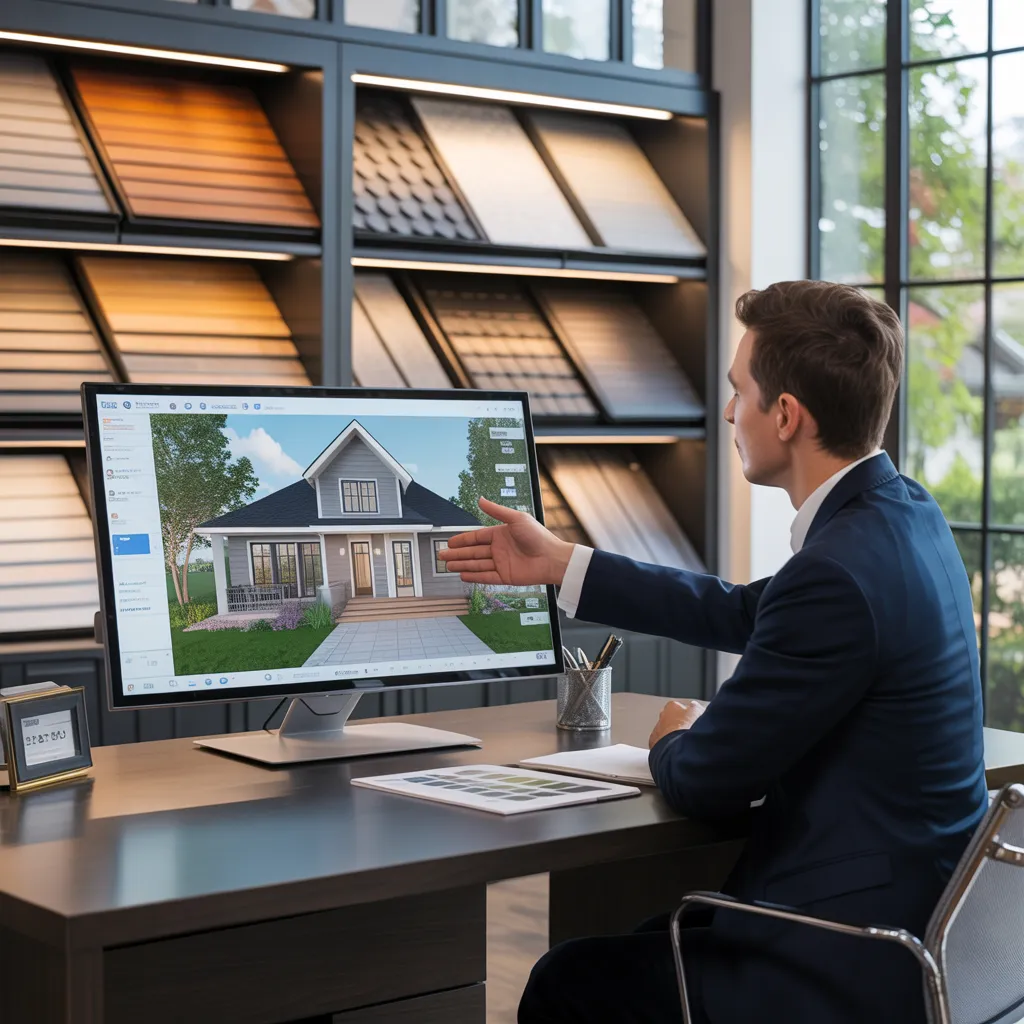
Why Selecting the Right Remodeling Contractor Is Important
Picking the best renovation contractor is essential, as the end result of a renovation can substantially impact both the practicality and appearance of a property. A skilled contractor ensures that work is completed efficiently, adhering to deadlines and financial plans. Their knowledge can improve the overall standard of workmanship, producing a environment that satisfies the homeowner's goals and desires.
Moreover, a qualified contractor fosters effective communication, responding to concerns and offering updates throughout the construction process. This transparency builds trust and allows for adjustments as necessary. Moreover, picking the ideal contractor decreases the chance of possible complications, such as design flaws or structural problems, which can stem from unskilled craftsmanship. Ultimately, the selection of contractor can determine not only the instant gratification from the remodel but also the lasting worth and pleasure of the residence, underscoring the significance of a well-informed choice.
What Qualifications Should Your Remodeling Contractor Possess?
A properly credentialed remodeling contractor should demonstrate a range of credentials that showcase their knowledge and trustworthiness. Key certifications include state licenses, which verify compliance with local regulations and building codes. Furthermore, industry certifications from organizations such as the National Association of the Remodeling Industry (NARI) or the National Kitchen & Bath Association (NKBA) indicate advanced training and commitment to industry standards.
Insurance coverage, notably liability and workers' compensation, is crucial, safeguarding both the homeowner and the contractor from potential financial liability. Additionally, a comprehensive collection of past project examples can offer valuable information about the contractor's expertise and design sensibility.
Participation in trade groups reflects a devotion to the industry and continuous education. Additionally, consumer protection credentials, such as a Better Business Bureau accreditation, can add an extra layer of confidence regarding the tradesperson's integrity and operational standards. These credentials collectively guarantee that residents engage a skilled and dependable specialist.
How to Validate Contractor References and Reviews
When hiring a remodeling contractor, checking references and reviews is crucial for guaranteeing quality results. Future clients should search online platforms for feedback and evaluations, as well as reach out directly to past clients to gain firsthand insights. This method can substantially shape decisions and uncover potential concerns.
Review Online Platforms
How do potential clients confirm a remodeling contractor's reliability? One practical method is to examine several online platforms focused on contractor evaluations. Platforms such as Yelp, Angie's List, and Houzz provide a rich source of information, including client ratings and in-depth feedback. Clients should look for patterns in reviews, noting both positive and negative experiences. A contractor boasting steady high ratings and positive commentary is typically a dependable selection. Moreover, social media networks can reveal useful information about a contractor's recent work and client relationships. Participating in online forums or neighborhood groups can generate helpful referrals as well. Through the use of these tools, clients can reach well-informed conclusions, securing a reliable and skilled remodeling contractor for their needs.
Connect with Former Clients
How can clients ensure a remodeling contractor's reliability? An excellent strategy is to speak with previous clients to gain valuable perspectives. It is advisable for clients to ask for a reference list and personally contact former customers regarding their experiences. Essential questions should cover the project's timeframe, adherence to budget, and how the contractor communicates with clients. It is equally important to find out if former clients would choose to rehire the contractor. Additionally, clients should look for reviews on third-party platforms to assure a balanced perspective. By gathering diverse feedback, clients can better assess the contractor's reliability and quality of work. Such a detailed screening process can considerably minimize the likelihood of unsatisfactory outcomes in remodeling projects.
A Guide to the Standard Remodeling Project Timeline
Understanding the general remodeling project timeline is important for property owners to set realistic expectations. The following will detail the different project phases, identify frequent setbacks that might emerge, and clarify the final walkthrough process. With a firm grasp of these components, those undertaking renovations can successfully guide their remodeling process.
Overview of Project Phases
A standard remodeling project proceeds through several distinct phases, all of which are critical to ensuring a successful outcome. The initial phase involves planning and design, where clients partner with their contractors to outline the scope, budget, and timeline. When the plans are fully developed, the next phase is obtaining necessary permits and approvals, which can vary based on local regulations.
Subsequently, the building phase commences, marked by demolition, structural work, and incorporation of new components. This phase often requires continuous dialogue between the contractor and the homeowner to address any adjustments or concerns. useful guide In conclusion, the project concludes with a detailed inspection and final review to confirm everything meets the established criteria. Every stage serves a vital purpose in the complete success of the remodeling effort.
Common Delays in the Timeline
Prompt completion of a renovation project can be significantly affected by numerous setbacks, which frequently occur throughout various phases of the work. Frequent contributing factors include permit-related complications, as regional guidelines can lengthen the approval process. Supply availability likewise has a significant impact; postponements in supply orders can slow momentum. Unexpected structural issues, like concealed water damage, can require extra time for restoration. Environmental conditions may also disturb planning, most notably in outdoor undertakings. Additionally, labor shortages may lead to delays in securing skilled workers. Effective communication between the contractor and the homeowner is essential, because confusion surrounding the range of the project may also add to prolonged schedules. Recognizing these likely obstacles enables homeowners to form practical expectations for their remodeling endeavors.
Final Walkthrough Process
In what way does the final walkthrough mark the conclusion of a remodeling project? This vital stage enables homeowners to examine the completed work, verifying it satisfies their expectations and matches the agreed-upon plans. During the walkthrough, the contractor and homeowner review every detail, from finishes to functionality. This is the opportunity to identify any discrepancies or issues that need addressing before final payment. Homeowners should come prepared with a checklist and any documentation related to the project. A productive final walkthrough not only validates satisfaction but also strengthens the bond between the contractor and homeowner. Effective communication and honesty throughout this phase can eliminate misunderstandings, creating opportunities for future collaborations or endorsements.
Navigating Your Budgeting and Payment Alternatives
Smart budgeting is vital for anyone embarking on a home improvement project, as it creates the groundwork for monetary planning and strategic choices. Homeowners should begin by determining a reasonable budget that accounts for all anticipated costs, including labor, materials, and unforeseen costs. It is advisable to set aside an extra 10 to 20 percent for contingencies to address unexpected problems that may arise during the remodeling process.
When reviewing payment options with construction professionals, home improvement clients should ask about payment timelines, which can vary greatly. Many contractors may ask for a deposit in advance, with the remaining amount due following project milestones or final completion. Being familiar with these conditions helps home improvement clients to plan their budget effectively.
Furthermore, homeowners can explore financing options, including personal loans or home equity credit options, to help cover costs. Open and transparent communication about financial planning and payment arrangements with the chosen contractor helps ensure that monetary expectations are aligned, decreasing the probability of conflicts arising later.
How Are You Kept in the Loop?
Open dialogue about budgeting and payment arrangements sets the stage for continuous updates during the remodeling process. A professional contractor should create an organized method for maintaining client communication. This can include regular meetings to discuss progress, whether in person or through video calls. Written documentation may also be supplied, describing finished work and planned activities.
Moreover, adopting digital tools is growing more widespread. Builders could utilize project management software that enables clients to monitor schedules and progress points in real-time. This clarity establishes trust and confirms that clients stay involved during the entire project.
In addition, immediate alerts about changes of any kind—regardless of whether they concern project timelines, building materials, or unanticipated concerns—are essential. In addressing these critical components, a remodeling professional shows their commitment to professional service and client satisfaction, guaranteeing a well-informed and cooperative renovation process.
What Warranties and Guarantees Are Available to You?
What kind of warranties and guarantees should homeowners anticipate when hiring a remodeling contractor? Typically, contractors offer two primary types: product warranties and workmanship warranties. Labor warranties address the quality of the contractor's work, usually spanning one to ten years according to the company and the scope of the project. Such warranties guarantee homeowners that any issues arising from improper installation will be corrected at no extra charge.
Product warranties, in contrast, apply to the materials employed in the renovation. Manufacturers usually provide these warranties, and they can span a few years to a lifetime, according to the specific product category. Homeowners should inquire about the precise conditions of each warranty, including what is covered, the time period, and any conditions that might void them. Understanding these guarantees can assist homeowners in making well-informed choices and safeguard their financial commitment to the renovation.
Common Questions and Answers
What Is the Contractor's Favored Method of Communication Throughout the Project?
The contractor favored frequent email correspondence, complemented with regular weekly conversations for in-depth discussions. They emphasized transparency, ensuring every project stakeholder stayed updated and involved throughout the remodeling process, cultivating a team-oriented environment.
How Do They Address Unexpected Challenges or Changes?
They typically assess the situation, consult with the homeowner, and suggest resolutions. Effective contractors maintain flexibility, ensuring that adjustments align with project goals while minimizing disruptions, thereby fostering a collaborative environment during unexpected challenges.
Is a Detailed Written Estimate Available?
A detailed written estimate should itemize all project costs, including materials, labor, and timelines. This level of transparency enables clients to comprehend costs and prevents misunderstandings, guaranteeing both parties are in agreement before the remodeling begins.
What Safety Protocols Do They Follow On-Site?
The contractor applies several safety measures on-site, including protective gear for workers, warning signage, routine equipment inspections, and conformance to local regulations, establishing a protected environment that limits dangers for all workers and homeowners.
How Do They Maintain Compliance With Local Building Regulations?
They guarantee compliance with regional construction regulations by staying updated on regulations, obtaining necessary permits, and conducting regular inspections throughout the project. This forward-thinking strategy minimizes potential risks and ensures compliance with legal and safety requirements.